
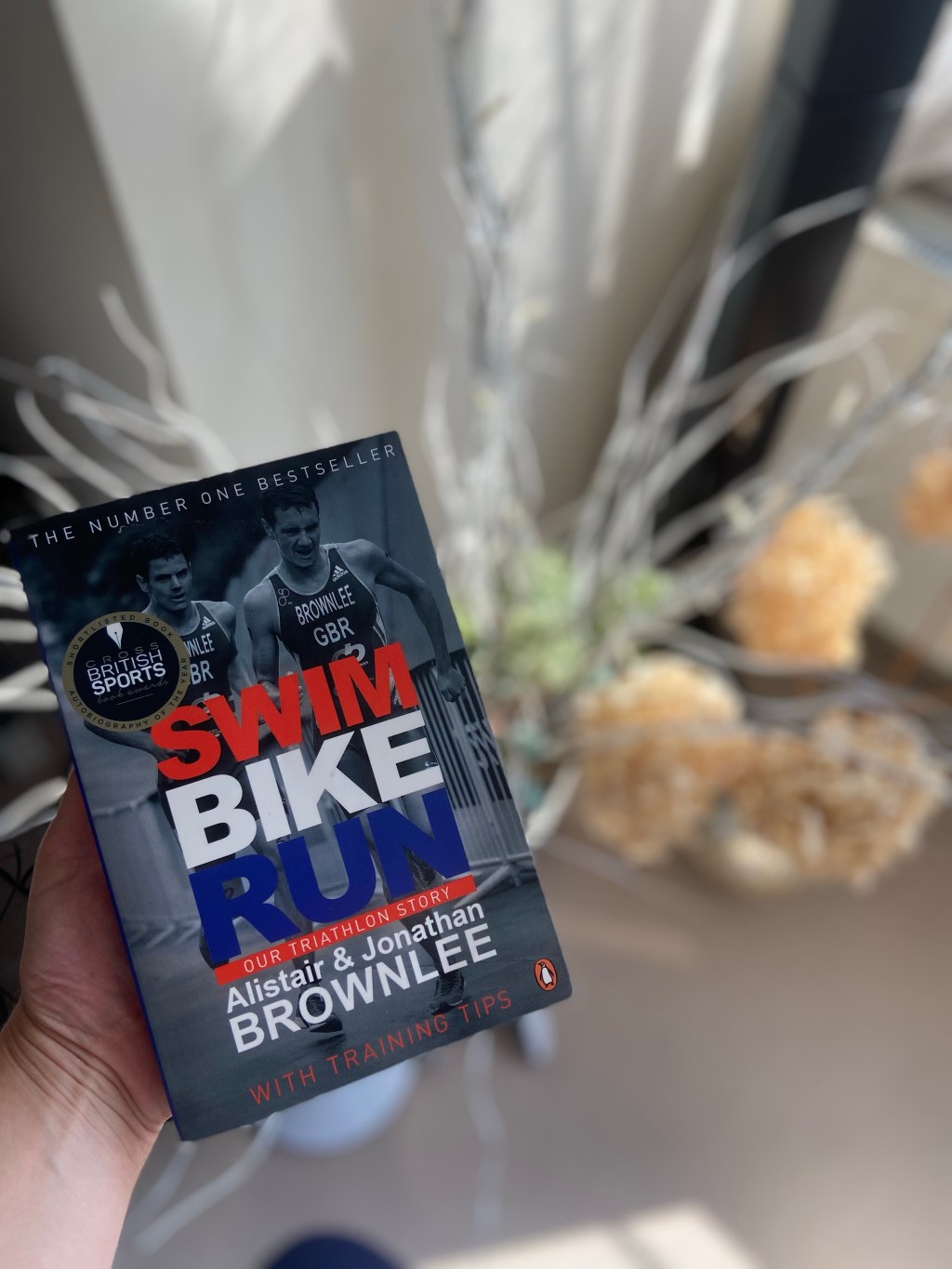
The Brownlee brothers are synonymous with triathlon, success and talent. But what does becoming Olympic and World champions really mean? If two lads from Yorkshire can do it, can anyone? And, is it all worth it?
This book tells the tale, in Alistair and Jonny’s words, of their childhood, their passion for triathlon and how they became better and better to eventually slay not only national, but international, races and become some of the best in the world. Their story is remarkable and some of the most personable elements of the book are those when the brothers are young and at school, when running, cycling and swimming were less serious and more fun activities, but that was where the seeds were planted for them to later thrive.
Reading the book now will give you a slightly backdated story, given that the book was published in 2013 and peaks with their Olympic glory at the London 2012 Games. This book review therefore isn’t to recap their stories and success, most of us will know that (and if you don’t, look it up!), but more on the reflections I took from the book.
I’ve summarised them below, these are entirely personal and my own way of interpreting the book and I would love to hear what you thought if you have read the book too.
- The more you work your way up the ranks, the less it means to you
Ok, admittedly a slightly ‘clickbait’ point to start with and this probably wasn’t their intention, but I couldn’t help but feel that the higher up the elite/professional ladder you climb, the less that achievement means. Once you know you’re the best, or at least pretty damn good, then you understandably want to maintain that position. But in doing that, does the achievement in itself wear off? Does the fixation on wanting/needing to maintain that mean that it becomes more of an expectation rather than a goal? Which you therefore tick off the list and move onto the next one?
This can only intensify when you get to international, worldwide and Olympic level. When the book culminates at the 2012 Olympics, I interpreted a slight underwhelming at their Gold and Bronze medals….
I’m not sure if that’s fair of me to say, so I would be very interested to know if other people felt this or not when they read it. I would also be interested to ask a professional sportsperson if they feel this way!

- Being brothers was both their nemesis and their competitive advantage
Constantly competing against your own sibling has got to be hard. From a young age, Jonny was seemingly under older brother Alistair’s shadow, having to prove himself as a competitor in his own right. Most siblings are competitive, sure, but what happens to your relationship and family dynamic when you’re constantly competing against each other?
At the same time, the brothers make a wonderful point that they were pretty much the only people who ever knew what the other was going through. They used each other as a competitive benchmark, to train together and to look at the other and know just what ‘the best in the county/country’ was doing. An advantage few athletes would have, I’m sure.
- Success can be a culmination of tiny positive things
The brothers are extremely grateful of the support from their parents and coaches from a young age, but what is most interesting is their acknowledgement of the small things that worked in their favour. Things like their parents not moving house when the boys were young, having adults in the local cycling shop that would let them tag along on weekend rides, being close enough in locality to sports facilities they could use. If any one of a small number of factors had been out of alignment, things might have been different for them growing up. And growing up running, swimming and cycling is what makes these brothers the success they are today.
Moral – don’t dismiss the little things, things add up!
- It’s not just a job, or a hobby, it is your life
The book doesn’t really talk about personal lives or interests outside of training, which I think is a shame, but to be honest it doesn’t seem that there was that much in their lives out of training. That sounds harsh I know, but perhaps it’s just the impression you get from the book as it was designed. Clearly being a professional athlete doesn’t leave that much space for socialising, other hobbies or spontaneity. This is a key factor in the ‘is it worth it’ debate, as one has to ask whether essentially giving up ‘normal life’ (as you and I know it) is a big deal or not. Of course it’s totally personal, but being a professional athlete has got to mean huge sacrifices in other parts of life. There is no two ways around it.
- You never know who might be watching and being inspired
This final point is a slight criticism of the book, but hopefully something we can consider in our own lives.
The brothers touch on the overwhelming nature of the attention they received around and after the Olympics. That I absolutely understand, but they also mention people writing to them telling them that they had inspired them to buy their first bike or to enter their first 10k event. It seems strange to me that they didn’t dwell on the source of inspiration they’d become, how they had so many everyday people looking at them and wanting to give triathlon a go themselves, that children were watching them and wanting to be like them. I mean, maybe they actually do a cracking job at that sort of thing that the book didn’t mention, but I would in that case criticise their editors for not encouraging they include it!
I believe on a personal level we can all take something from it – keep at what we’re doing, we don’t know who might be encouraged to give something a go because of us. I love it when I occasionally have friends tell me that they wanted to go out for a run because they saw one of my posts on Instagram – it’s that simple 😊
So in conclusion, I thought this book was good, rather than amazing. I did enjoy reading it and admittedly, I don’t read that many sports biographies to compare this to. I’d say the brothers are much better athletes than they are writers (probably rightly so!) but its still a fascinating insight into the lifestyle, dedication and sacrifices that makes some a professional elite athlete. Rather them than me, mind you. I’d have loved them to cover a bit more about tips for the truly beginner triathlete, but the tips included seemed to be more focused at people getting better rather than encouraging people into the sport. The book didn’t make me want to try triathlon any more than I already do, but it was certainly a good read.
At the start I opened this post with the question, is it worth it? Of course I could never answer that myself. What do I know? But it’s an intriguing question to consider. Let me know what you reckon…
Ele x
 chasingele.com